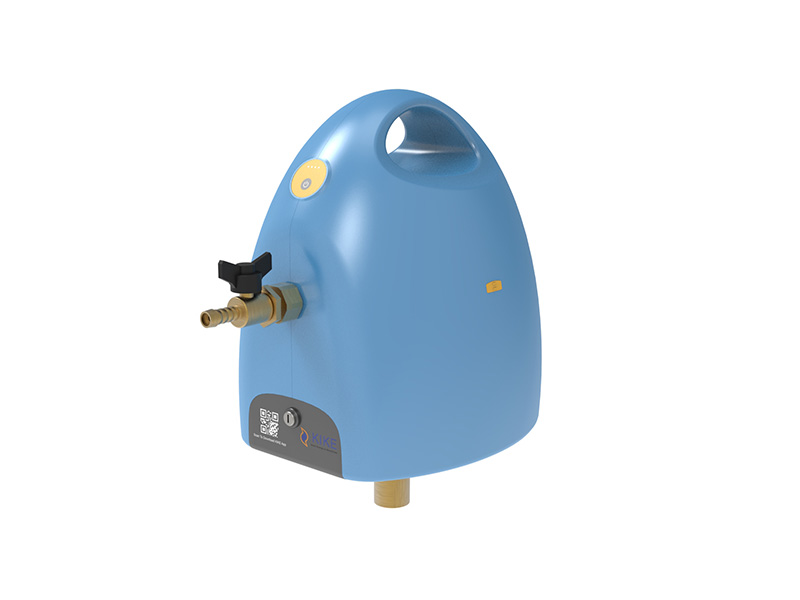



BL Technology delivers custom prepaid LPG gas meters with remote gas access control. This gas meter is specially developed for liquefied petroleum gas measurement and prepaid gas management.
From concept design, prototype verification, mold development, injection molding to finished product assembly, we support full chain OEM & ODM manufacturing. Our LPG meter can measure gas consumption accurately, realize remote valve control, balance alarm and automatic shut-off. The separated explosion-proof structure ensures safety when working with LPG.
We can customize the housing structure, communication scheme and function parameters according to your project requirements. All finished products undergo strict air tightness test and performance aging test to guarantee reliability for gas station and LPG cylinder application scenarios.
I. Product design concept (including structural design, electronic hardware design, and appearance industrial design)
### 1. Demand decomposition (first define the boundaries to avoid model modifications later)
1) Functional Requirements:
- Precise measurement of liquefied gas flow, storage of cumulative gas usage data
- Prepaid logic: Open valve when balance is sufficient; Issue warnings and close valve to cut off gas when balance is insufficient; Open valve remotely/locally after recharge
- Remote Communication: Mainly based on NB-IoT (compatible with gas tanks without network cables), supports reporting gas usage data, valve status, and equipment fault alerts on the server
- Local Interaction: View balance, usage, and battery level on display, operate via buttons
2) Environmental & Safety Hard Requirements: **Explosion-proof rating, IP protection level**. Liquefied gas is a flammable and explosive medium, the material of the casing must not produce static sparks; Resistant to high and low temperatures, resistant to ultraviolet rays (for outdoor installation), resistant to vibration (during transportation and placement of liquefied gas cylinders)
3) Production Requirements: Facilitate mold opening, component assembly, and later maintenance and replacement of modules (flow meters, mainboards, battery boxes can be disassembled and assembled separately)
### 2. Industrial & Structural Design
1) Appearance: Preferably split type (measuring chamber + electrical control box separate), gas flows through a separate cavity, circuit boards isolated separately, meeting explosion-proof safety requirements; The shell should minimize complex overhangs and simplify the injection mold.
2) Material Selection:
- Main Shell: Flame-retardant ABS/PC alloy, anti-static, flame-retardant, meeting explosion-proof shell requirements;
- Sealing Parts: Fluororubber, resistant to liquefied gas corrosion, preventing gas leakage;
- Fasteners: Stainless steel, anti-rust.
3) Structural Details:
- Battery compartment is independently sealed, allowing battery replacement without damaging the explosion-proof cavity;
- The valve body is the core actuator, with redundant design to prevent valve jamming;
- Reserved installation holes for compatibility with gas cylinders and pipelines, various installation methods.
### 3. Electronic & Firmware Design
- Low-power solution, lithium battery long-term power supply;
- Local data storage, still capable of measuring and executing prepaid valve closing logic in the event of network disconnection;
- Fault self-check: abnormal flow, valve failure, low pressure alarm, data upload to the platform.
### 4. DFM Manufacturing Optimization (Very crucial, laying the foundation for molds and mass production)
- Reduce the number of parts, try to combine structures, reduce the number of molds;
- Uniform wall thickness, avoiding shrinkage, bubbles; Convert sharp corners to rounded corners to enhance strength and reduce mold stress;
- All fasteners, draft angles for ejection should be prepared in advance to prevent mold sticking;
- Conduct mold flow analysis in advance to assess injection defects.
II. Core Ideas of the Mold Development Phase
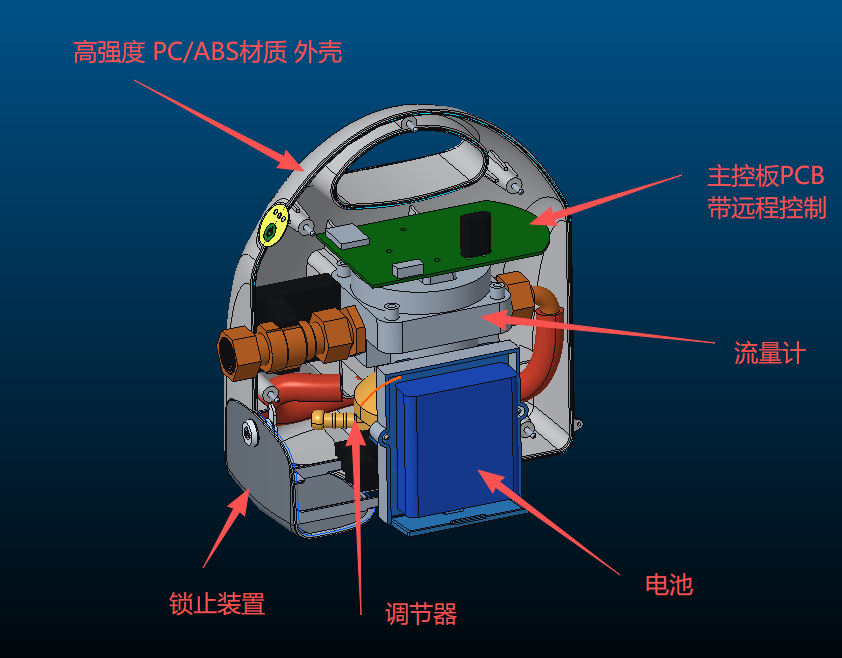
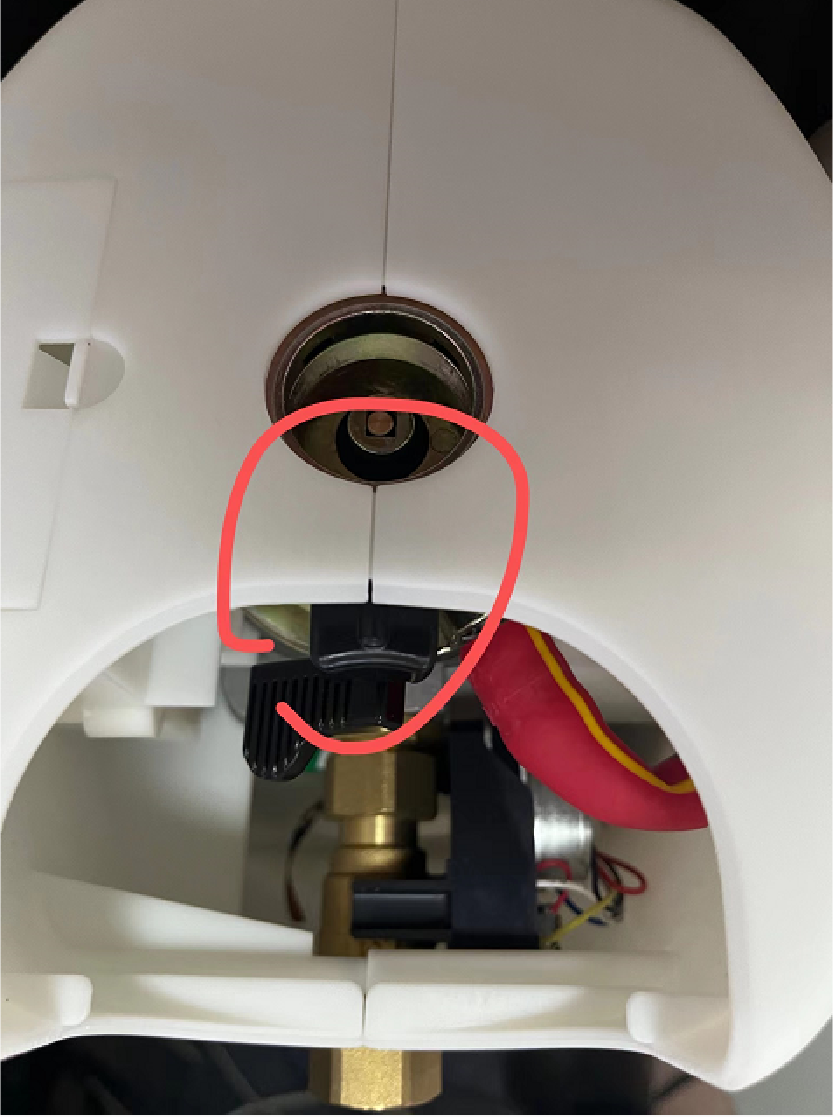
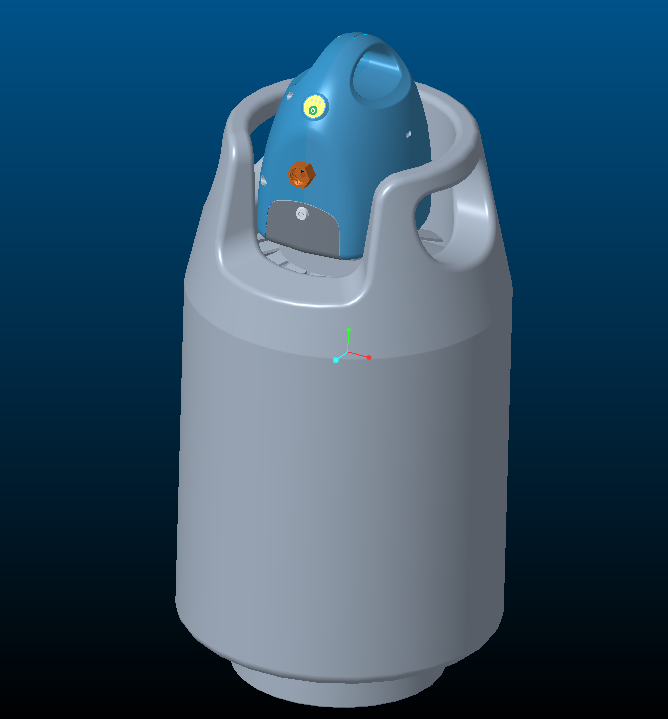
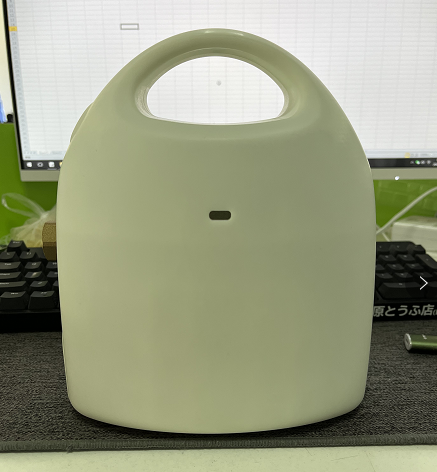
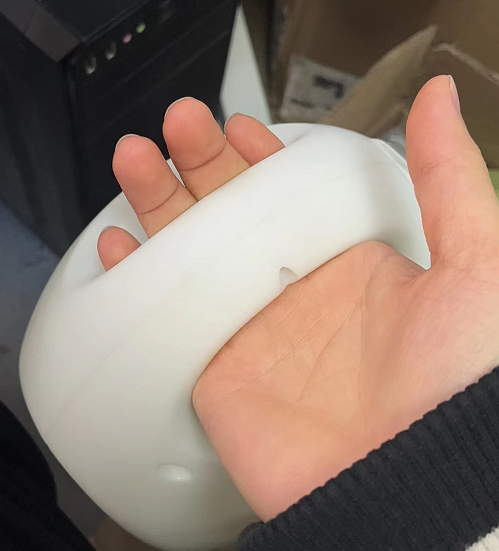
The product shell is an injection molded part, consisting of **main shell upper cover, main shell lower cover, electrical control box cover, battery compartment cover**, and other multiple sets of molds.
1. Mold Selection: Select P20/718H injection mold steel based on product size and flame-retardant material requirements, considering production lifespan (gas meters are medium- to long-term batch products, mold lifespan is designed for several hundred thousand molds)
2. Key Challenges:
- High precision requirements for product size for explosion-proof shells, uniform mold closure gap to ensure sealing performance;
- Shell has sealing grooves, high machining accuracy required for the shell;
- No obvious fusion marks on the shell surface to avoid weak stress points.
3. Process: 3D drawings → Mold flow analysis → Mold processing → Prototype testing → Sample modification → Mold repair → T0/T1/T2 sample confirmation, mold sealing.
Note: During the sample stage, explosion-proof and IP protection tests must be conducted simultaneously. If the tests fail, the structure needs to be modified, and the mold needs to be re-designed in advance. The cost of mold modification is extremely high during the mass production stage.
III. Thoughts on Component Processing and Batch Production
Our factory capabilities: design, prototyping, molds, injection molding, sheet metal work, die-casting, assembly. These capabilities are perfectly suited for this product.
1. Prototype stage: CNC hand-made prototype of the shell, assembly of electronic components, making a functional prototype, verifying the structure, assembly, and pre-payment logic;
2. Division of self-made / outsourced components:
- Self-made: plastic shell injection molding, sheet metal brackets, die-cast valve body base, complete machine assembly;
- Outsourced: flowmeter core, solenoid valve, NB module, battery, display (standard parts procurement);
3. Mass production assembly process flow:
Incoming component inspection → Shell injection molding / die-casting molding + full appearance inspection → Pre-assembly of components → Motherboard + valve assembly → Sealing assembly → Whole machine function test (measurement test, valve opening and closing, communication test) → Air tightness leak test (crucial for gas products) → Aging test → Marking and labeling → Finished product packaging;
4. Quality control points: 100% full inspection of air tightness; Each machine is calibrated for flow rate at factory; Aging test simulates long-term working environment to screen out early faults.
If you have any questions about our production, just give us a call or send us an e-mail.
Let us brighten your life with safety, efficiency,and expert craftsmanship.
Contact Us
Phone : +86-159 0682 2387
WhatsApp/Wechat: +86-159 0682 2387
Email : info@bailusolution.com
Copyright © 2026 Huzhou Bailu Technology Co., Ltd. All Rights Reserved. Design by BONTOP.