


Time:Nov 02,2026
By:Bailu
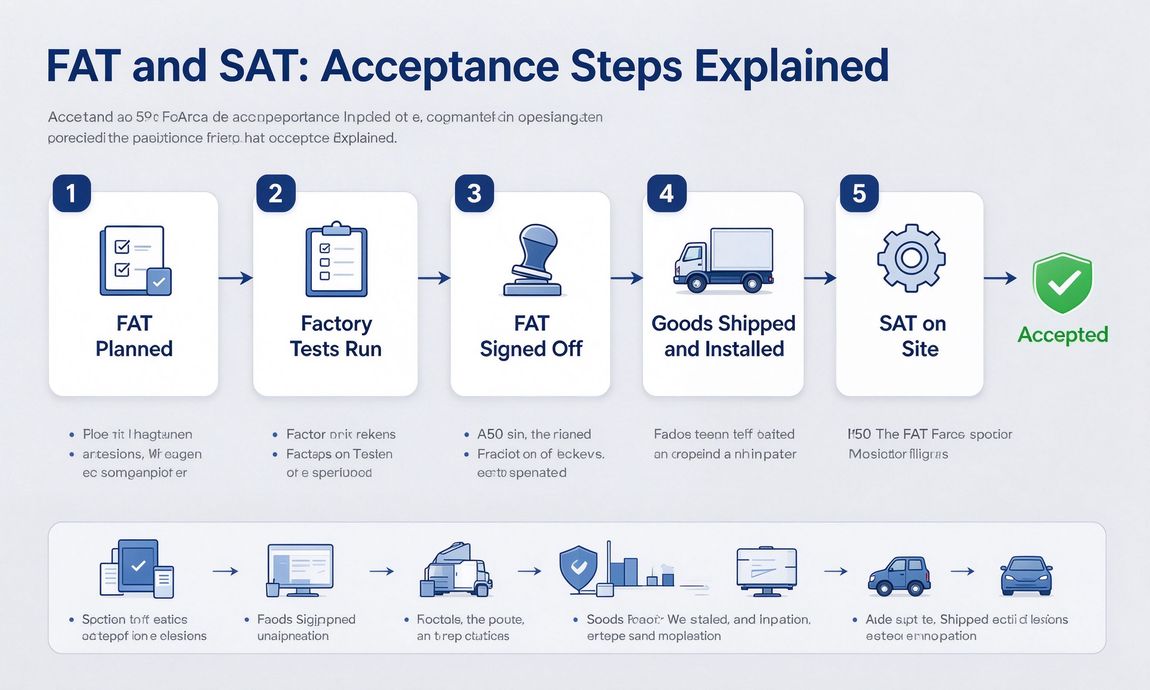
The container lands, you open the crates at your warehouse, and the finish on the parts does not match the sample — at which point fixing it means shipping half a container back across an ocean. That scene is the reason acceptance testing exists, and it belongs on the custom product development timeline China projects usually draw up as a scheduled milestone, not an afterthought. FAT and SAT are the two gates: one at the factory before the goods leave, one at your site after they arrive. This article explains what each one checks, who runs it, and what evidence you keep.

FAT stands for factory acceptance test. It is the round of checks you — or your representative, or a recorded video review — run against the finished parts while they are still on the factory floor, before they are packed. The logic is simple: a defect found on the shop floor is fixed in hours. The same defect found at your port costs freight, rework weeks and launch days. FAT converts the opening of the container from a surprise into a formality.
A meaningful FAT follows a written checklist agreed before production starts: dimensions on the critical features, appearance against the approved sample, color and surface against the reference, assembly of the mating parts, function if the product has moving or powered parts, and packing method. The factory runs the tests on a sample from the production batch, not on a hero display unit, and records measurements with dated photos or video. The checklist you sign at FAT is the same checklist you will use at SAT — so the two gates measure the same things. The sample size follows the order: a few pieces for a small batch, a statistical sample for a large one, and the factory states the plan before production starts.
SAT stands for site acceptance test. It runs after the goods reach you, are unpacked, installed or assembled at your location, and operated under your conditions. Where FAT proves the parts are built right, SAT proves they survived shipping and work in real use: crates inspected for transit damage, parts checked against the signed FAT record, and a short operation run. For assembled products, SAT includes unpacking, assembling the unit the way your customers will, and confirming the manual matches reality. A product that passes on the pallet can still surprise you when powered on or assembled by your customer, and SAT is where that last mile gets checked.
You do not have to fly to the factory for FAT. Many buyers run it remotely: the factory performs the checklist on video, sends measured data with photos, and the buyer signs off in writing. For higher-value or first-of-a-kind products, a local inspector or a brief visit is worth the cost. Either way, the evidence matters: dated measurements, the sample list, the signed checklist, and the notes on anything released with conditions. That paper trail is what protects you when a batch-level issue appears two months later. Keep the folder for the life of the product, because a warranty question six months after delivery is answered by the measurements you signed at the gate.
Buyers skip FAT when they are in a hurry, and the hurry costs the ship date: parts arrive with a scratch or a mismatch, the launch waits, and the factory fixes it on your dime. They skip SAT when the goods look fine on the pallet — and discover at install time that a connector was damaged in transit or the finish dulled in a way the photos hid. Both gates are short; the rework they prevent is long. Putting both onto the timeline early, with dates and owners, is what keeps acceptance from becoming the bottleneck at the end.
A failed FAT is not a disaster — it is the cheapest moment to find a defect. The process is simple: record the failure on the checklist, photograph it, agree the fix and its lead time in writing, and re-run the affected items only, not the whole test. Buyers who panic and send the batch back anyway usually add weeks; buyers who approve a conditional release only when the defect is cosmetic and harmless keep the schedule. The signed record then notes which items were re-tested, so the SAT checklist on arrival has a clear history. Bailu runs the re-test on video with the buyer on camera, which keeps the correction loop short without a flight to China. If the fix requires re-cutting steel, the schedule discussion happens at the FAT meeting, where both sides can still reshape the plan in time.
The right moment to design the FAT checklist is at the sample-approval stage, when the features that matter to you are still being agreed. Bailu prepares that checklist with the buyer before mass production, runs the FAT on video with recorded measurements, and hands over the signed sheet for the SAT on your side. You can discuss acceptance planning for your project on the contact page, and read how similar milestones were scheduled in the news page. Bailu Tech treats FAT and SAT as built-in milestones of the production plan rather than extra ceremonies on top of it.
Let us brighten your life with safety, efficiency,and expert craftsmanship.
Contact Us
Phone : +86-159 0682 2387
WhatsApp/Wechat: +86-159 0682 2387
Email : info@bailusolution.com
Copyright © 2026 Huzhou Bailu Technology Co., Ltd. All Rights Reserved. Design by BONTOP.